
Does the chair possess a
consciousness of its own, quietly
observing and deciding who may
wield it?
Is it inherently benevolent, guiding
its occupant toward healing and
revelation, or does it harbor a
darker intent, subtly steering events toward chaos?
Its influence seems deliberate at
times, almost moral in nature—yet
whose morality does it follow?
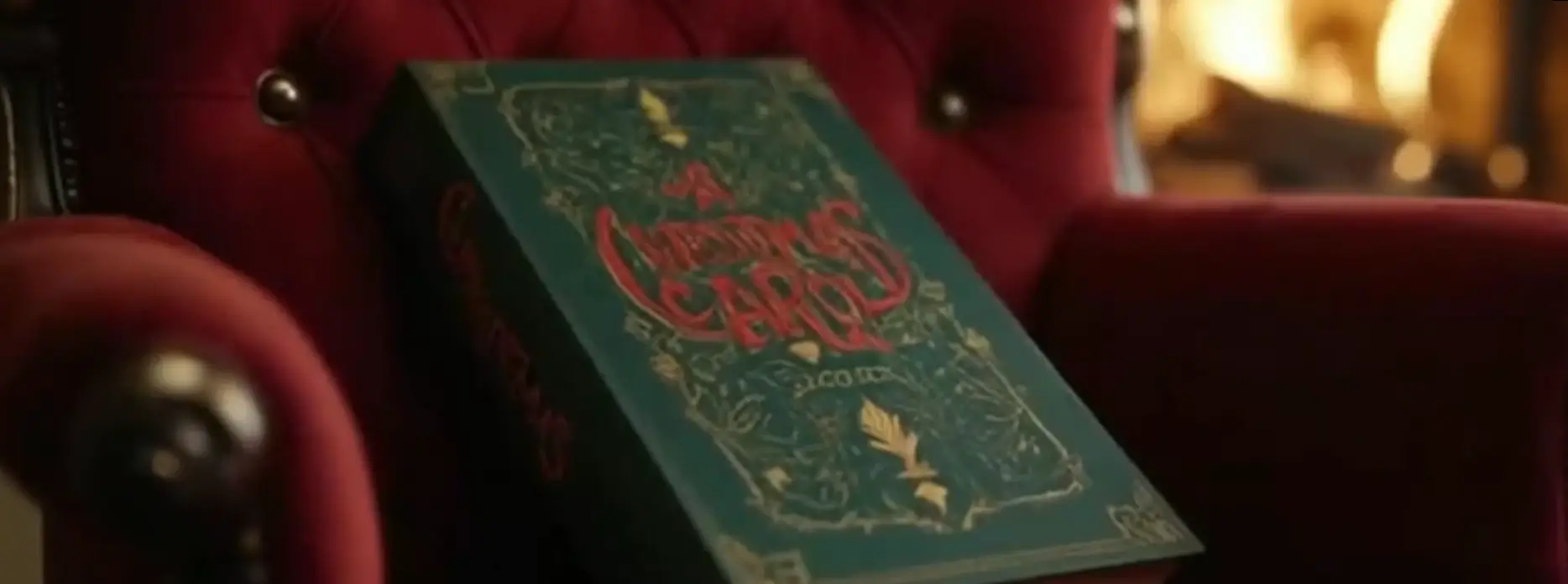
The Project The Armchair Travellers
Synopsis
In a world where books come alive, the most extraordinary story is not found between the covers – but between the lines.
In 1912, four unmarried women are thrust into a reality where literature is no longer an escape but a minefield. Their quiet lives—shaped by work, friendship, and the fragile hope of something more—are upended by an extraordinary chair with wild magic, sending them into the worlds of the books they love.
Katherine longs for a romance worthy of Jane Austen, but the factory floor offers no Mr. Darcy, only grit and misogyny. Within the Chair's embrace, she lives her own Regency romance—complete with mishaps, mayhem, and a hero too perfect to be real. But every story must end.
Her friends have their own objectives. Charlotte's journey to selflessly help a friend takes her to a turbulent chapter of history, where choices are shaped by sacrifice. Jane, haunted by a buried secret, must confront the one thing she has fled her entire life—even if it demands the ultimate price—only Maria, wary and unyielding, senses danger. After one harrowing encounter with the Chair, she vows to protect her friends from the Chair that only obeys its own rules.
What begins as a miraculous gift becomes a test of human desire. Love and loss, ambition and regret, courage and triumph -- all play out across worlds beyond the written word. As the women chase their deepest wishes, they discover that dreams can come true —but only some come without a price.